

How to Judge the Benefits of Small Batch Coffee Roasting
Quick Summary
The main benefits of small batch coffee roasting are tighter control over heat and duration and clearer, more distinctive flavor, especially in single-origin coffees. Roasters can respond to each batch in real time, while commercial roasting prioritizes volume and consistency. Look for a printed roast date when judging freshness.
- Small batches are often a few pounds, versus hundreds of pounds per commercial cycle.
- Smaller batches allow tighter control over acidity, sweetness and body.
- Commercial volume roasting can flatten subtle differences between origins.
- Look for a clearly printed roast date rather than relying on the best-by date.
- Coffee generally tastes best within a few weeks of roasting.
Table of Contents
- What Small Batch Coffee Roasting Means and Why It Matters
- How Coffee Roasting Affects Flavor in Small Batches
- Coffee Roast Date and Freshness: Checking Before You Buy
- Frequently Asked Questions
What Small Batch Coffee Roasting Means and Why It Matters
Small batch coffee roasting means roasting beans in limited quantities, often a few pounds at a time, rather than in the large drums used by commercial roasters that process hundreds of pounds per cycle. Smaller batches let roasters respond to each bean's behavior in real time, which matters most for single-origin coffees with distinctive character.
Fresher beans tend to brew with more aroma and clearer flavor.
How Coffee Roasting Affects Flavor in Small Batches
Roasting develops the flavors locked inside green coffee. Small batches allow tighter control over heat and duration, so acidity, sweetness and body can be drawn out more deliberately. Commercial roasting prioritizes volume and consistency across huge quantities, which can flatten subtle differences between origins.
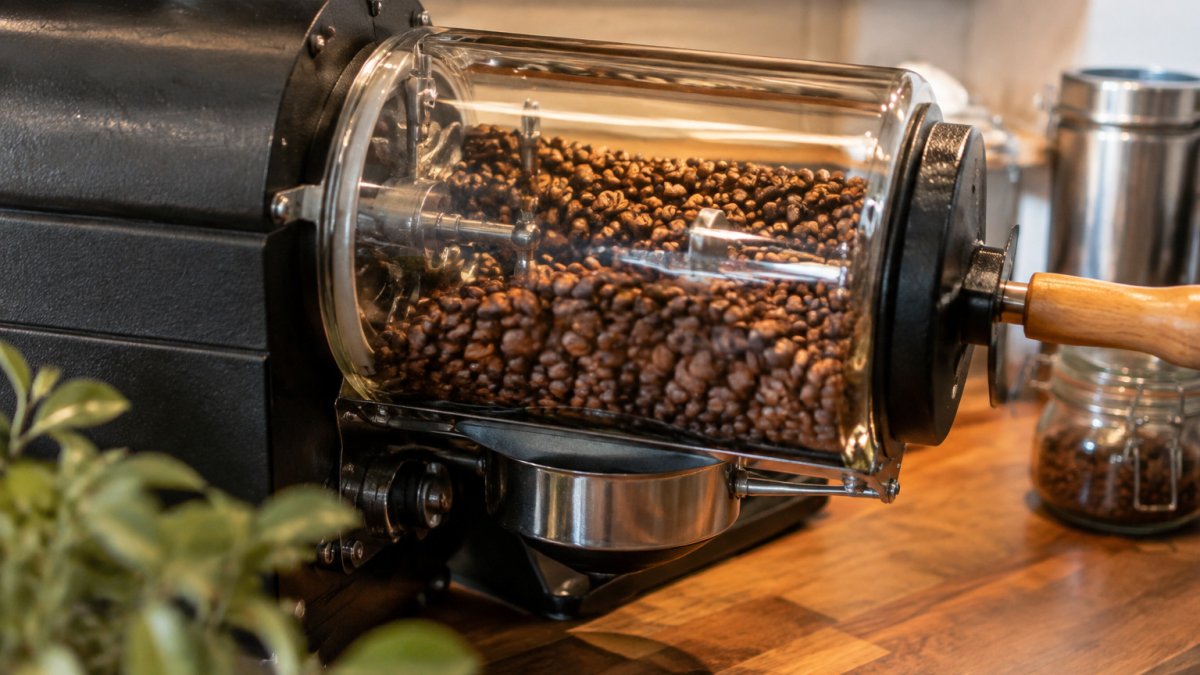
Single-origin coffees show this difference most clearly, since their flavor depends on where and how the beans were grown. Find out how to match a flavor profile to your taste to see which roasts suit you.
Coffee Roast Date and Freshness: Checking Before You Buy
Look for a clearly printed roast date on the bag, not just a "best by" date, which can be misleading. Compare small sample packs to try a few roasts at low risk. Coffee generally tastes best within a few weeks of roasting. Check the roast date on any coffee you buy before you brew.
The roast date tells you more about freshness than the best-by date, so check it before you brew.
| Check | What to look for | Why it matters |
|---|---|---|
| Roast date | Clearly printed on the bag | Shows when the beans were roasted |
| Best by date | Not a reliable freshness signal | Can be misleading |
| Freshness window | A few weeks after roasting | Coffee generally tastes best then |
Ready to taste the difference? Explore fresh, small-batch coffee at Borah Blend Coffee and find a roast that suits your palate.
Frequently Asked Questions
What does small batch coffee roasting mean?
Small batch coffee roasting means roasting coffee in limited quantities, often a few pounds at a time, rather than in the large drums used for commercial production. Smaller batches let the roaster watch temperature and timing closely and adjust the roast as it happens. There is no single official weight that defines a small batch, so the practical test is whether the roaster controls each batch individually and roasts to order or in short runs. Ask a roaster how much they roast per batch and how often they roast to see whether the term applies.
Does small batch coffee stay fresher?
Small batch coffee often reaches the customer sooner after roasting because roasters can ship in shorter cycles and avoid long warehouse storage. Coffee is at its best within a few weeks of its roast date, and beans lose aroma as they age. The most reliable check is the printed roast date on the bag. A roast date gives you more useful information than a vague phrase like freshly roasted, so look for it before you buy.
How soon after roasting should you brew coffee?
Many coffee drinkers find that beans taste best about several days to a few weeks after roasting, once they have released some of the carbon dioxide produced during roasting. Brewing right after roasting can taste sharp or uneven, while beans older than a month or two often taste flat. Keep whole beans sealed in an airtight container away from heat and light, and grind just before brewing for the best flavor.
